

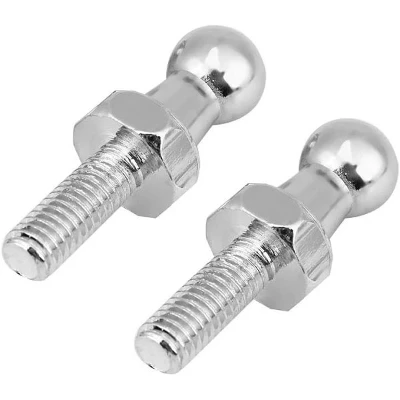

Cabinet screw specifications
The specifications of cabinet screws mainly include the following:
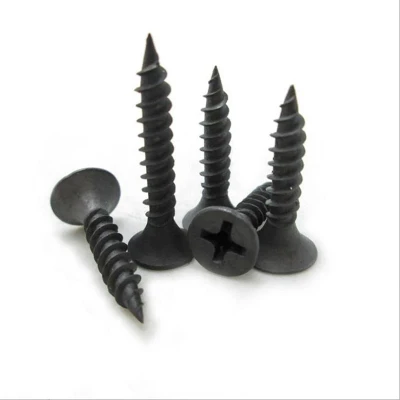
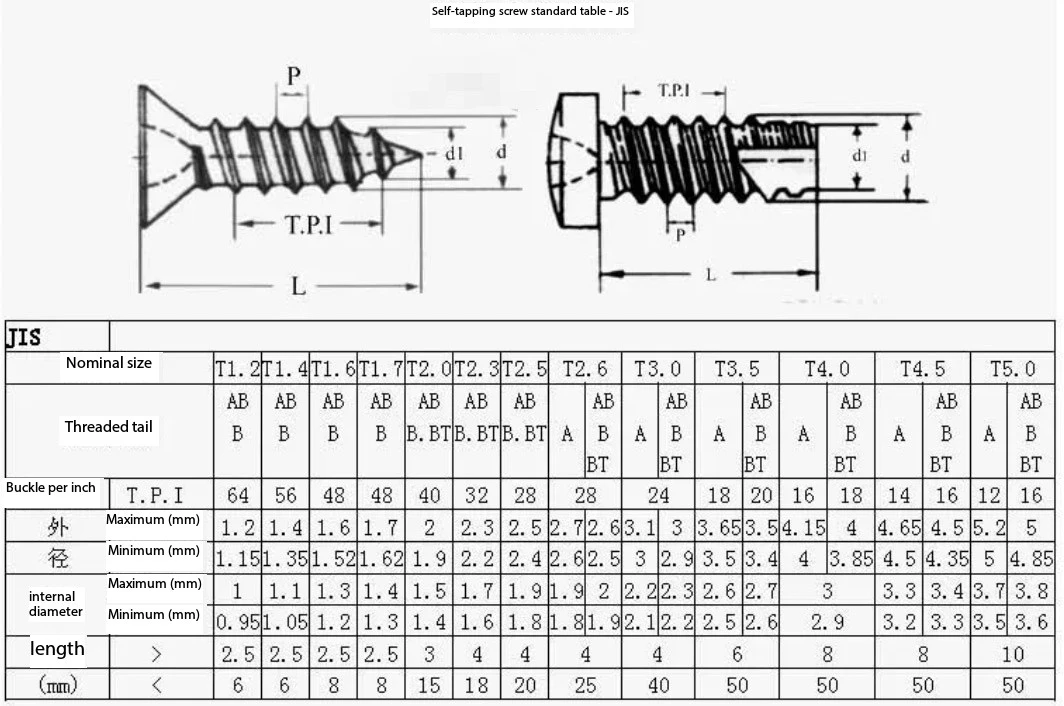
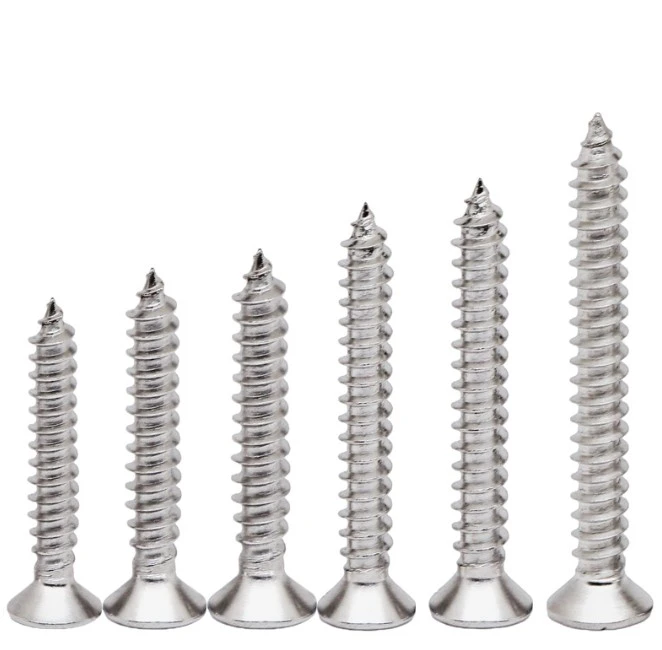
Self-tapping screws: used to install hinges, footings, supports and other mounting accessories. Common specifications are 4×16, 4×30, 4×35, and 4×40. These screws are usually used to connect cabinet door panels or side panels, as well as to connect hanging codes to side panels.
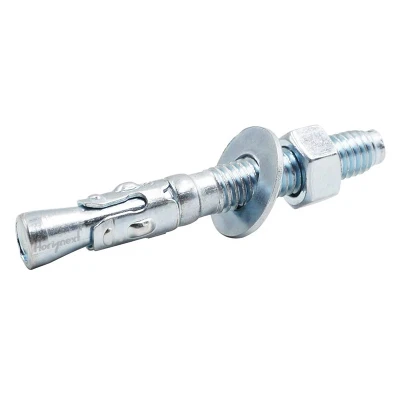
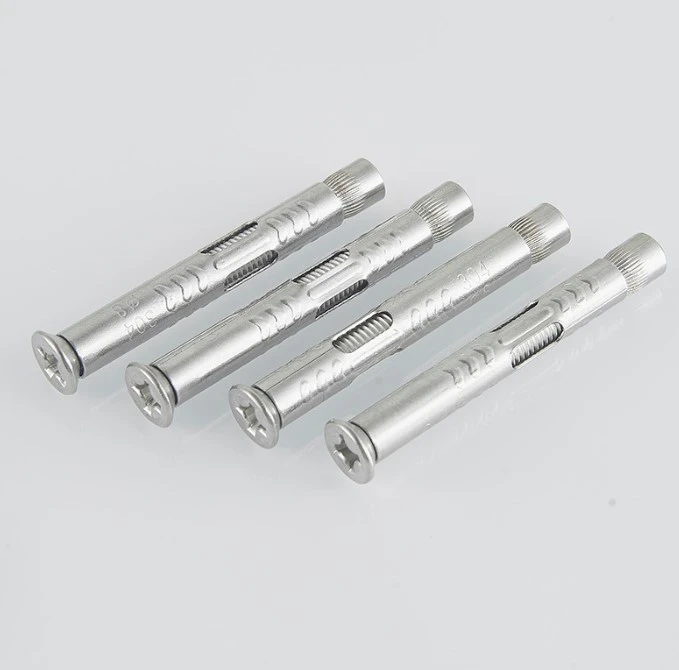
Expansion screws: used for wall-mounted screws for expansion tubes in cabinets and wall cabinets. Common specifications are 8×60 or 8×80. This type of screw is suitable for fixing cabinets to the wall.
Wood board screws: used to increase the lateral stability of the cabinet. Common specifications are 4 mm in diameter and 15 mm in length.
5. System screws: used to enhance the vertical stability of the cabinet. Common specifications are 6 mm in diameter and 14.5 mm in length.
6. Other special purpose screws: such as M420, M425 and other specifications for adjusting feet. Every size is in stock, and special sizes of stainless steel screws are available for customization.
 |
 |
Key features of our cabinet screws
The main features of cabinet screws include:
1. Self-tapping thread: It can effectively penetrate wood, plastic and metal plates without pre-drilling, reducing installation time.
2. Low torque design: Adopts W-Cut™ technology to reduce driving torque and make installation easier.
3. Coating treatment: Climatek™ coating, suitable for indoor and outdoor use, complies with ICC-ES AC257 standard to ensure corrosion protection and durability.
4. Beautiful design: For example, the mushroom head design can be seamlessly integrated into cabinets and furniture, improving the overall beauty.
5. High-strength fixation: The washer head design provides a strong and stable installation, suitable for connection of different materials.
Applications of cabinet screws
Cabinet screws play a vital role in cabinet installation and fixing. According to different needs and materials, the application of cabinet screws can be divided into the following aspects:
Fixing and connection: Cabinet screws are mainly used to fix cabinet parts together, such as door panels, drawers, shelves, etc. For example, use #8 x 2 1/2-inch screws to connect adjacent cabinets to ensure structural stability. Additionally, screws can be used to mount cabinets to the wall, such as using #10 x 2 1/2-inch screws to secure the cabinet backboard.
2. Use of expansion screws: In situations where large loads are required, such as wall cabinets or metal cabinets, expansion screws are usually used to increase the nail grip and ensure safety and stability. For example, plastic expansion tube screws are suitable for lightweight wall materials such as gypsum board and foam bricks, while stainless steel expansion screws are suitable for heavier loads.
3. Application of self-tapping screws: Because self-tapping screws do not require pre-drilling, they are often used to quickly assemble wooden cabinets. This screw has high strength and sharp threads, suitable for penetrating wood, plastic and sheet metal.
4. Special purpose screws: Some specially designed screws, such as AURA™ screws, have mushroom head designs and large diameter fixing heads, suitable for cabinets and furniture that require beautiful and secure fixing. Additionally, there are multi-purpose screws specifically designed for cabinet slides and other interior applications.
|
Cabinet Screw Types |
Material |
Typical applications |
How to use |
|
Self-tapping screws |
Stainless steel |
Construction industry, furniture manufacturing, machinery manufacturing, automotive industry |
Self-tapping drilling |
|
Expansion screw |
Stainless steel |
Construction, aviation, machinery, automobiles |
Insert the tube into the hole and tighten the nut to expand the tube and secure it. |
|
wood board screws |
Stainless steel |
Boards, cork, various wood structures |
Tighten after drilling |
|
System screws |
Stainless steel |
3C electronics, medical equipment, furniture manufacturing, construction industry and automobile manufacturing industry |
Depends on usage scenario |
|
Custom Cabinet Screws |
Customizable |
Professional application |
Tailored to application |
Detailed description
Self-tapping screws:
lApplication: Used for fastening in the construction industry, furniture manufacturing, machinery manufacturing, and automobile industries.
lInstallation method: After pre-drilling, select appropriate tools to install self-tapping screws.
lAdvantages: Excellent corrosion resistance and high strength durability, self-tapping ability, beautiful appearance and wide application.
Expansion screw:
lApplication: Fastening in construction, aviation, machinery, automobiles, etc.
lInstallation method: After drilling, insert the screws, tighten the nuts and expand the pipe to achieve tightening effect.
lAdvantages: Strong anchoring force and able to withstand greater loads. It is easy to install, simple to operate, reusable, highly adaptable, suitable for a variety of materials, and has high tensile and shearing forces.
Wood board screws:
lApplication: wooden boards, cork, various wood structures.
lInstallation method: Use an electric drill to drill in.
lAdvantages: Easy to insert, no pre-drilling required, high-strength links, versatility, economical, easy to disassemble, strong corrosion resistance.
System screws:
Applications: 3C electronics, medical equipment, furniture manufacturing,construction industry and automobile manufacturing industry.
lAdvantages: safe and simple, variable, high anti-corrosion protection, flexible installation and adjustment.
Custom cabinet screws:
lApplication: Designed for specialized applications requiring unique specifications.
lInstallation method: Customized installation according to specific application requirements.
lBenefits: Customized specifications to meet unique project needs, ensuring optimal performance.
Customization options:
Custom Sizes: We offer bolts in standard and custom sizes to meet specific project requirements. Our advanced processing capabilities ensure a perfect fit for your application.
Material Selection: Depending on the application and environmental conditions, we offer bolts made of stainless steel, galvanized steel, carbon steel and other specialty materials.
Surface Treatments: For enhanced corrosion resistance and durability, we offer a variety of surface treatments including galvanized,galvanized and custom coatings.
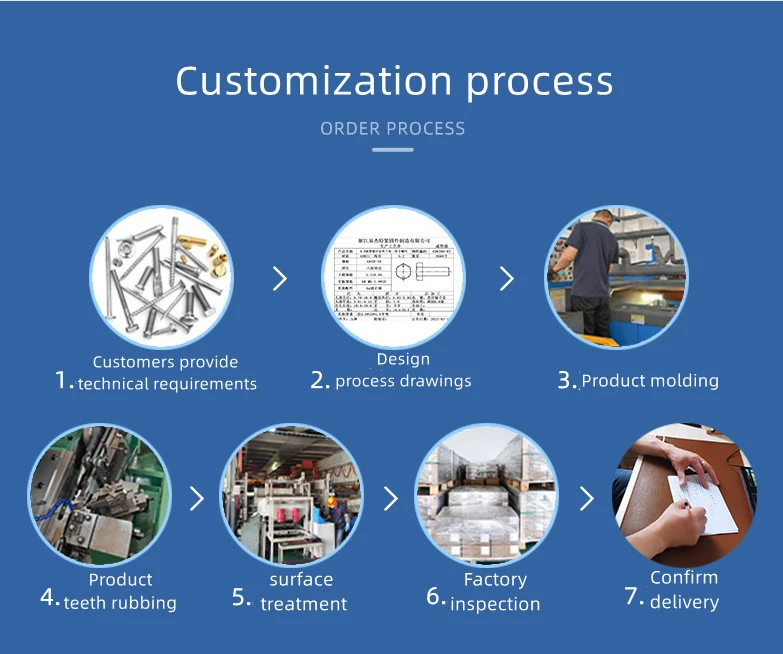
Cabinet screw production process:
1. Material selection: Select appropriate materials based on required strength and environmental conditions.
2. Cutting: Cut the material into the desired shape and size.
3. Forging: Using high-pressure machinery to shape the bolts.
4. Threads: Create precise threads to ensure secure fastening.
5. Heat treatment: Enhance the strength and durability of bolts.
6. Surface treatment: Apply anti-corrosion coating.
7. Quality inspection: Ensure that each bolt meets strict quality standards.
8. Packaging: Pack completed bolts for shipment.
Global standards for cabinet screws:
The global standard for cabinet screws mainly adopts the ISO metric thread standard, that is, the ISO universal metric screw thread standard (ISO metric screw threads). These standards include ISO 68-1, ISO 261 and ISO 262, etc., which specify the basic profile, dimensions and tolerances of threads. In addition, ISO standards cover gauges and measurement methods to ensure interchangeability and quality of threads.
Common pairings of cabinet screws:
Three-in-one connectors: Suitable for quick installation and fastening of wardrobe and cabinet shelves, such as eccentric solid three-in-one connectors, thickened furniture three-in-one connectors, etc.
Self-tapping screws: used for fixing and supporting, such as self-tapping screws integrating wardrobe shelf supports, partition support nails, etc.
Expansion screws: used to fix heavy objects, such as expansion screws for cabinets and wall cabinets, plastic expansion sleeves, etc.
Stainless steel screws: used in scenarios where corrosion resistance is required, such as 304 stainless steel cylindrical head hexagonal combination screws. These screws and connectors play a key role in cabinet installation, ensuring the furniture is stable and durable.