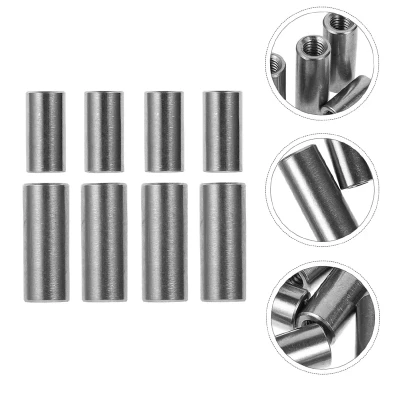
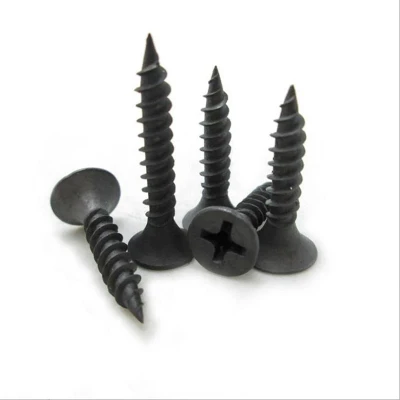
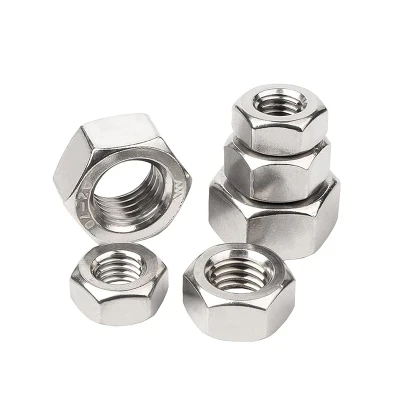
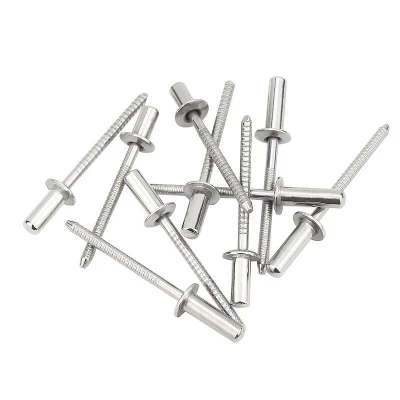
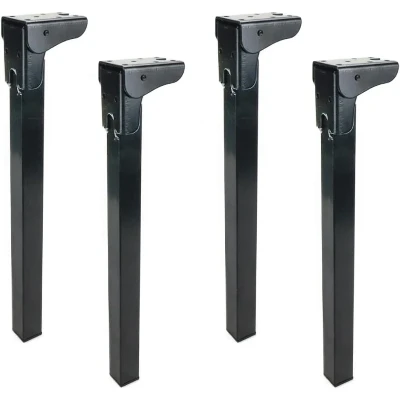

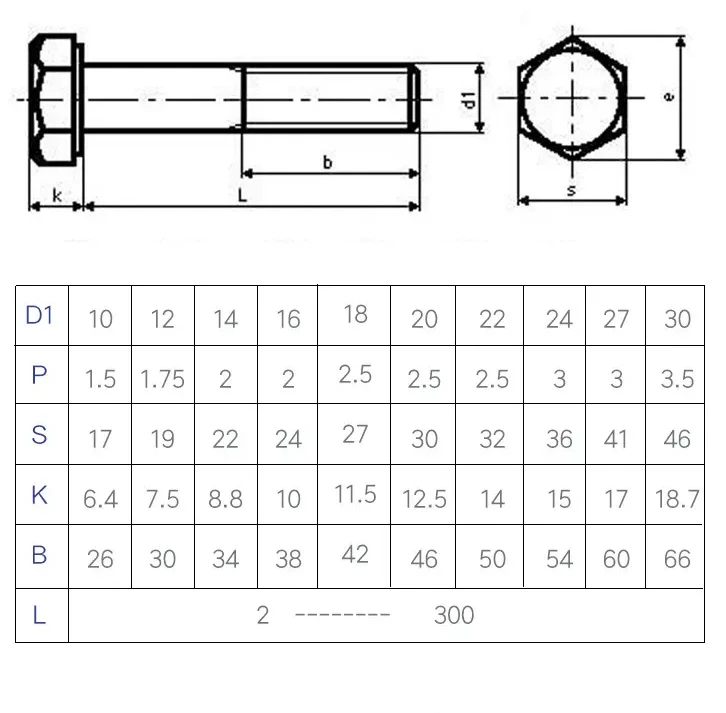
Specifications of joint bolts
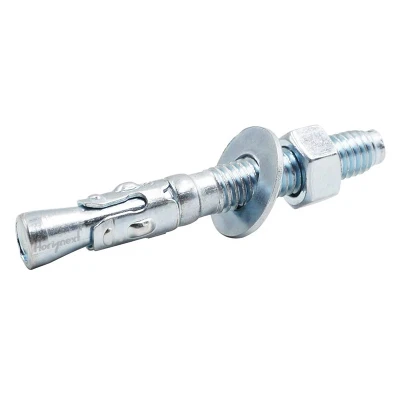
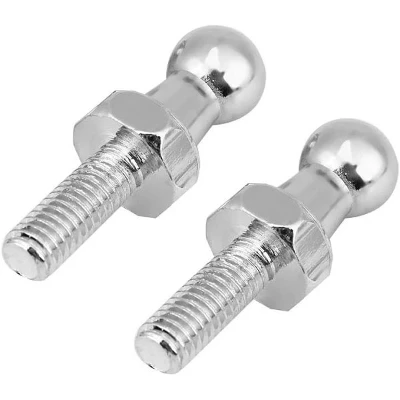
According to domestic standards, commonly used joint bolt diameters include M8, M10, M12, M16, M20, M24, etc. Among them, M represents the standard symbol of thread diameter, and the number represents the diameter. International standards ISO4014 and ISO4017 stipulate more specific bolt diameter standards...
Almost all sizes are in stock. Fast delivery and shipped in bulk.
Custom fasteners can be produced overnight if needed.
 |
 |
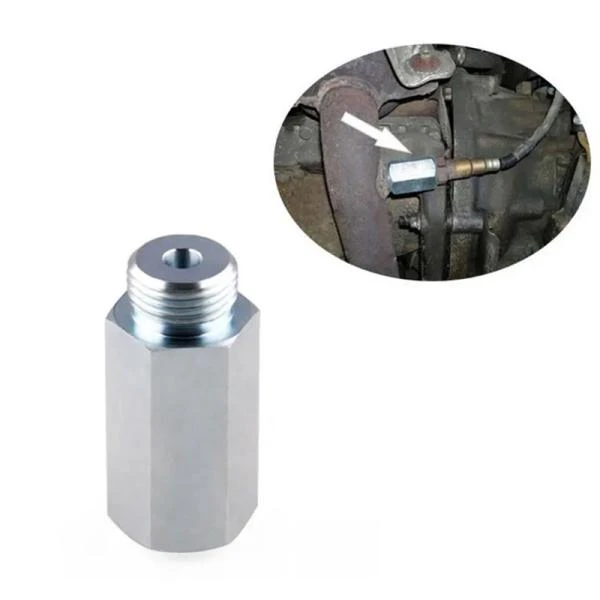 |
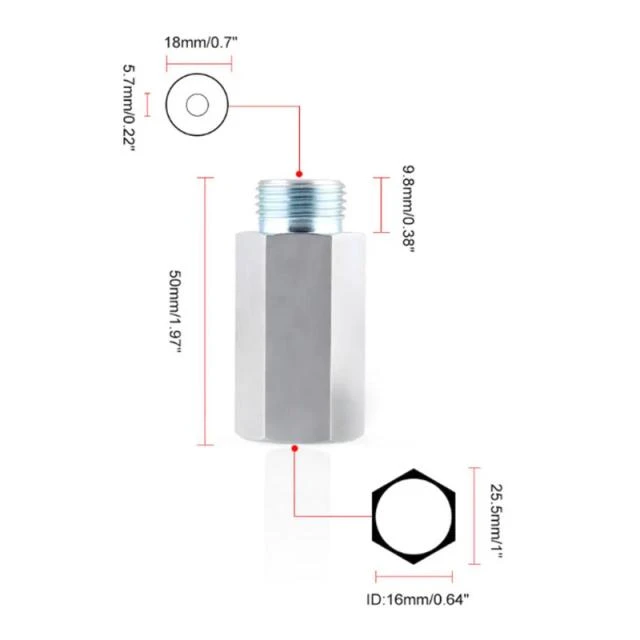 |
Our main features of our joint bolts
1. High reliability
The design of the joint bolts has undergone rigorous calculations and testing, so it has extremely high reliability during use. The possibility of loosening of the joint connection is relatively small. When subjected to vibration or impact, its structure will not deform or loosen, thus ensuring the stability of the connection. In addition, due to the strong load-bearing capacity of joint bolts, they can withstand larger loads, so they are widely used in industrial production.
2. Easy to disassemble and assemble
Compared with other connection methods, bolted connections are easy to disassemble and assemble. We only need to use simple tools such as wrenches and wrench sockets to easily disassemble and install bolts, which makes maintenance and replacement of equipment more convenient and faster, greatly improving work efficiency.
3. Lower cost
The manufacturing cost of joint bolts is relatively low, and their service life is long and they do not need to be replaced frequently. In addition, during maintenance and repair, we only need to replace matching nuts and washers and other accessories, without replacing the entire connection, which can also reduce maintenance costs.
4. Wide scope of application
Joint bolts are suitable for most metal and non-metal materials and have good versatility. Therefore, it has been widely used in many industries such as aviation, shipbuilding, electric power, and chemical industry. In addition, the link bolts can also adapt to various harsh environments and working conditions, such as moisture, corrosion, high temperature and other environments, and can show good connection effects.
Joint bolt production process flow
Material Selection: Choose different materials according to the strength level of the bolt. Commonly used materials include carbon steel, stainless steel, and copper. Carbon steel is widely used because of its excellent machinability and lower cost; stainless steel has excellent heat resistance and corrosion resistance; copper is used because of its good upsetting properties and corrosion resistance.
Spheroidizing (softening) annealing: For high-strength fasteners, such as medium carbon steel and medium carbon alloy steel, spheroidizing annealing is required before cold heading to obtain uniform and fine spheroidized pearlite and improve the forming ability .
Peaking and descaling: Remove the oxide scale and scales on the steel surface to reduce friction and wear during processing.
Cold drawing: Cold drawing the steel to the required wire diameter, usually divided into two stages: rough drawing and fine drawing.
Cold forging: The steel is formed into the preliminary shape of the bolt through the cold forging process.
Threading: Threading the formed bolt to ensure that it can closely fit with the nut.
Heat treatment: Heat treatment is performed on the bolts to adjust their hardness and strength to meet usage requirements.
Bolts are widely used in industry, covering many fields such as aerospace, transportation construction, electromechanical machinery, electronic digital, power engineering, and home life. Bolts play a pivotal role in industrial production and are key components for many mechanical equipment and structural connections.
Custom joint bolts
Applications: Designed for specialized applications requiring unique specifications.
Installation method: Customized installation according to specific application requirements.
Benefits: Customized specifications to meet unique project needs, ensuring optimal performance.
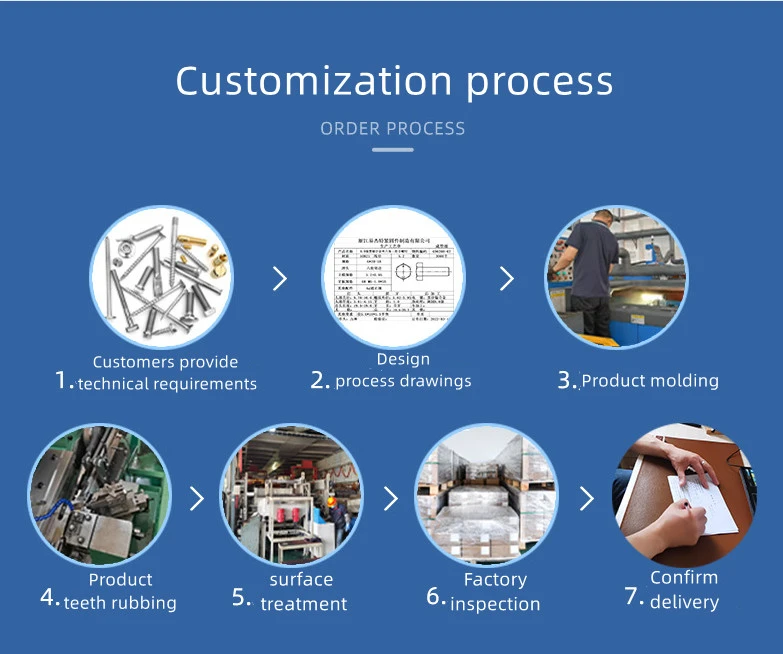
Custom Sizes: We offer bolts in standard and custom sizes to meet specific project requirements. Our advanced processing capabilities ensure a perfect fit for your application.
Material Selection: Depending on the application and environmental conditions, we offer joint bolts made of stainless steel, galvanized steel, carbon steel and other specialty materials.
Surface Treatments: For enhanced corrosion resistance and durability, we offer a variety of surface treatments including galvanized, galvanized and custom coatings.