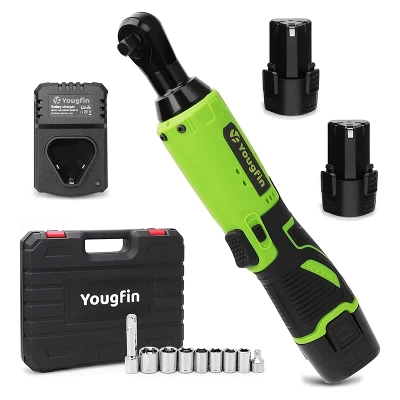
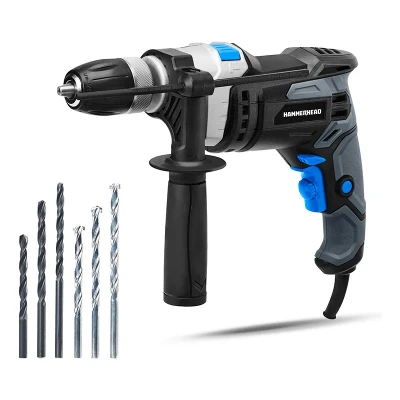
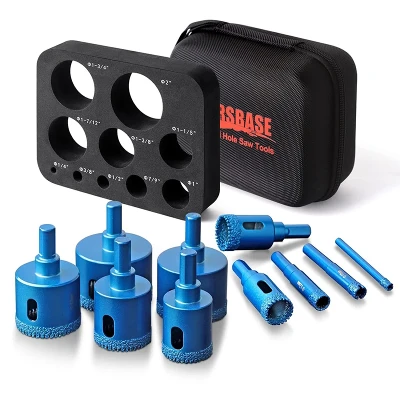


Specifications of portable electric drill
Size and Weight: Portable power drills are usually designed to be small and lightweight, making them easy to carry and use. For example, the Vickers impact drill has a body length of only 163mm, is light in weight, and can be easily operated by girls.
Battery capacity and battery life: Portable electric drills are usually powered by lithium batteries, and battery capacity and battery life vary by model. For example, the Vickers lithiu m electric drill comes standard with a 2.0Ah large-capacity battery, which has a long battery life and is suitable for home use.
Maximum drilling diameter: The maximum drilling diameter of portable electric drills varies depending on the material. For example, the Vickers electric impact drill has a maximum hole diameter of 10mm in the attack drilling mode, and can easily drill metal, wood, aluminum alloy and gypsum board in the flat drilling mode.
Power and Torque: The power and torque of a portable electric drill are also one of the important specifications. For example, the maximum output torque of the Vickers electric impact drill can reach 40Nm, which is suitable for various working conditions.
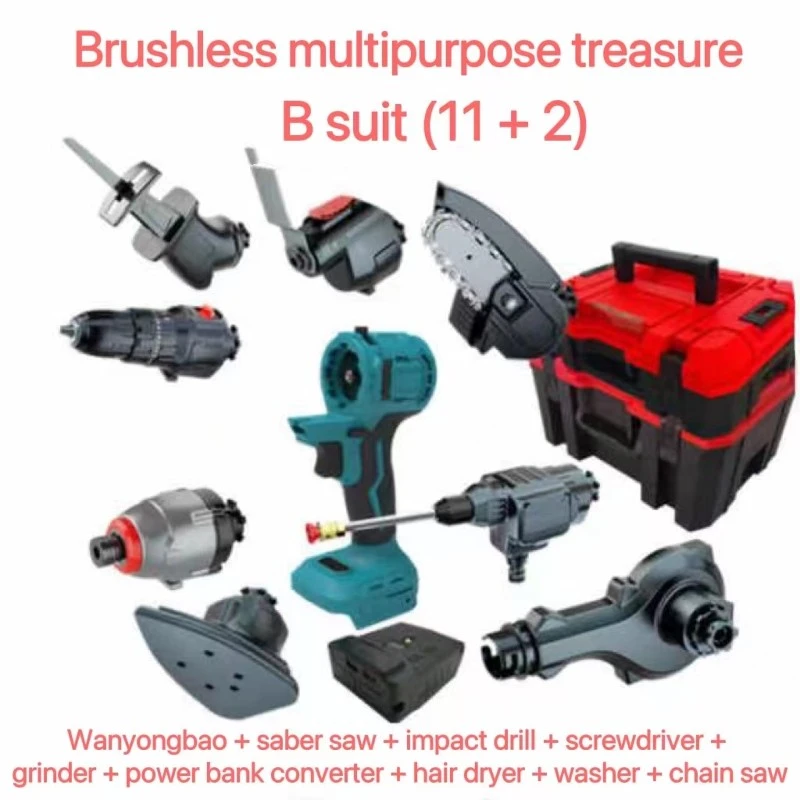
Function Diversity: Some portable electric drills also have multiple functions. For example, the Vickers impact drill can also be used as an electric screwdriver in flat drilling mode, and can be used for three purposes.
All sizes are in stock. Delivery is fast, shipped in bulk, and custom portable drills can be produced overnight if needed.
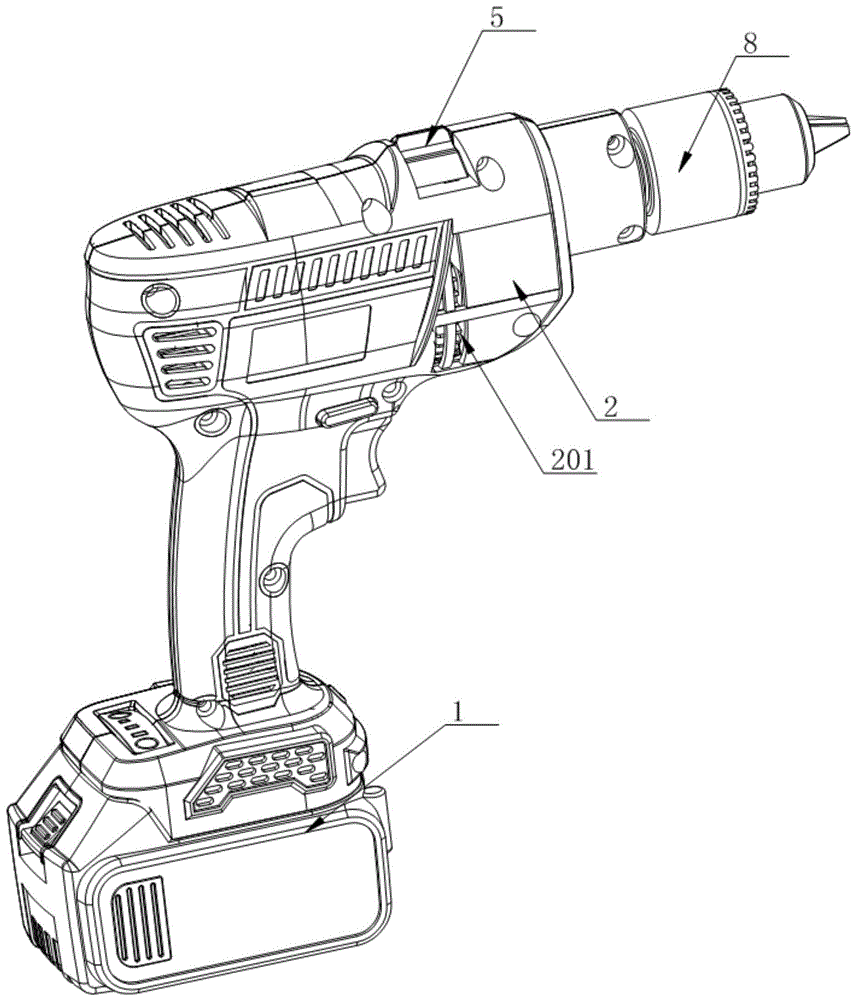 |
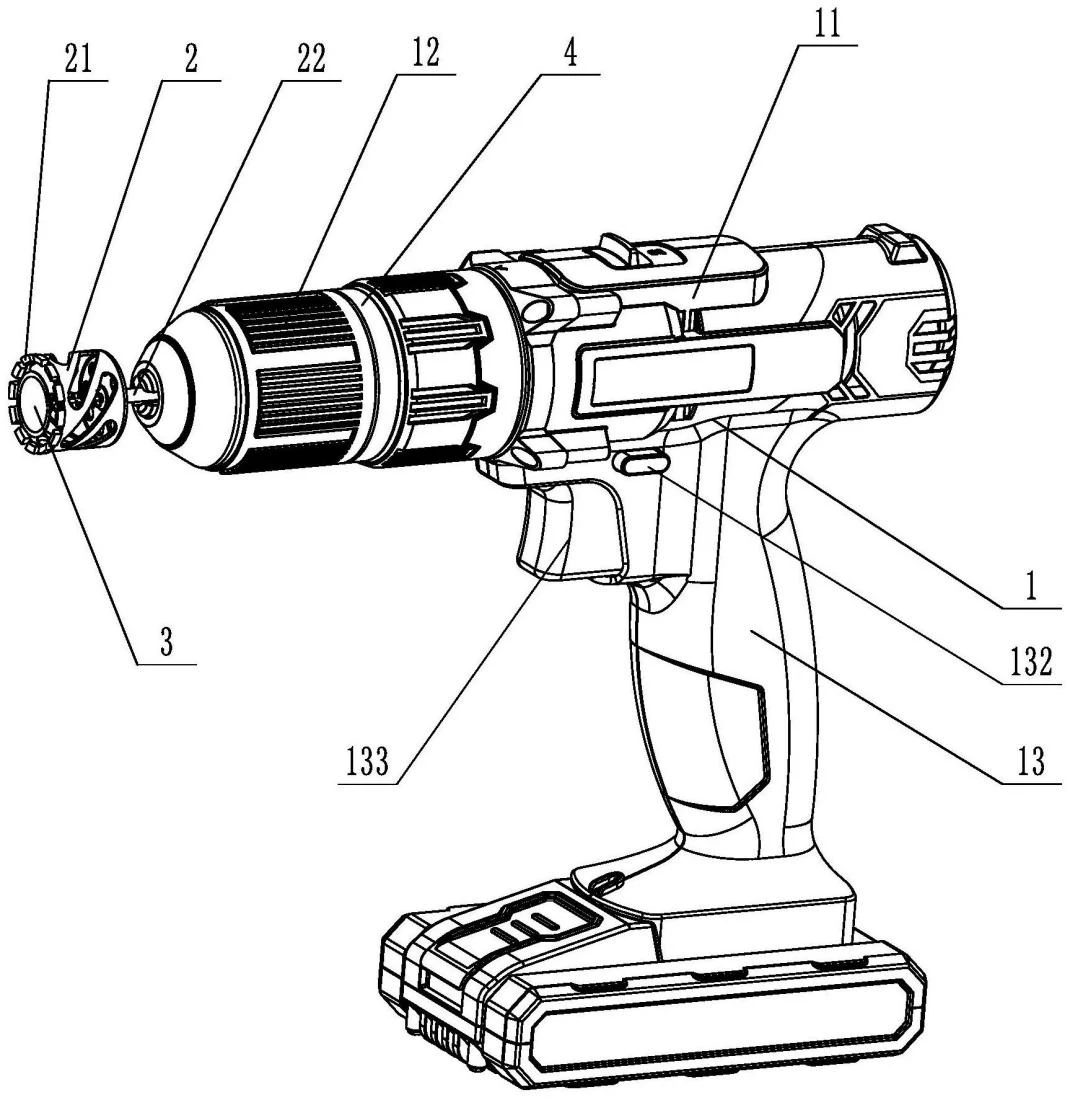 |
The main features of portable electric drills include lightness, efficiency, versatility and portability.
Light and efficient
The portable electric drill is designed to be lightweight, small in size and weight, making it easy to carry and use. They usually use high-speed motors and replaceable drill bits, which can greatly improve work efficiency while maintaining stability1. In addition, some portable electric drills are equipped with a variety of accessories, such as clamps, sockets, drill bits, etc., to meet different usage needs.
Multifunctional
Portable electric drills are not only suitable for drilling needs in various materials, such as wood, walls, concrete, metal, etc.1. They can also perform threaded bolt reaming, slot milling, slot punching, pressure testing and other operations, and are widely used in construction, manufacturing, mining, tunnels, bridges, highways, railways, hydropower construction, petrochemicals and other industries. .
Portability
The design of portable electric drills makes them ideal for scenarios that require frequent movement, such as construction sites and outdoor construction sites. Due to its lightweight nature, personnel can take it anytime and anywhere and complete the job quickly.
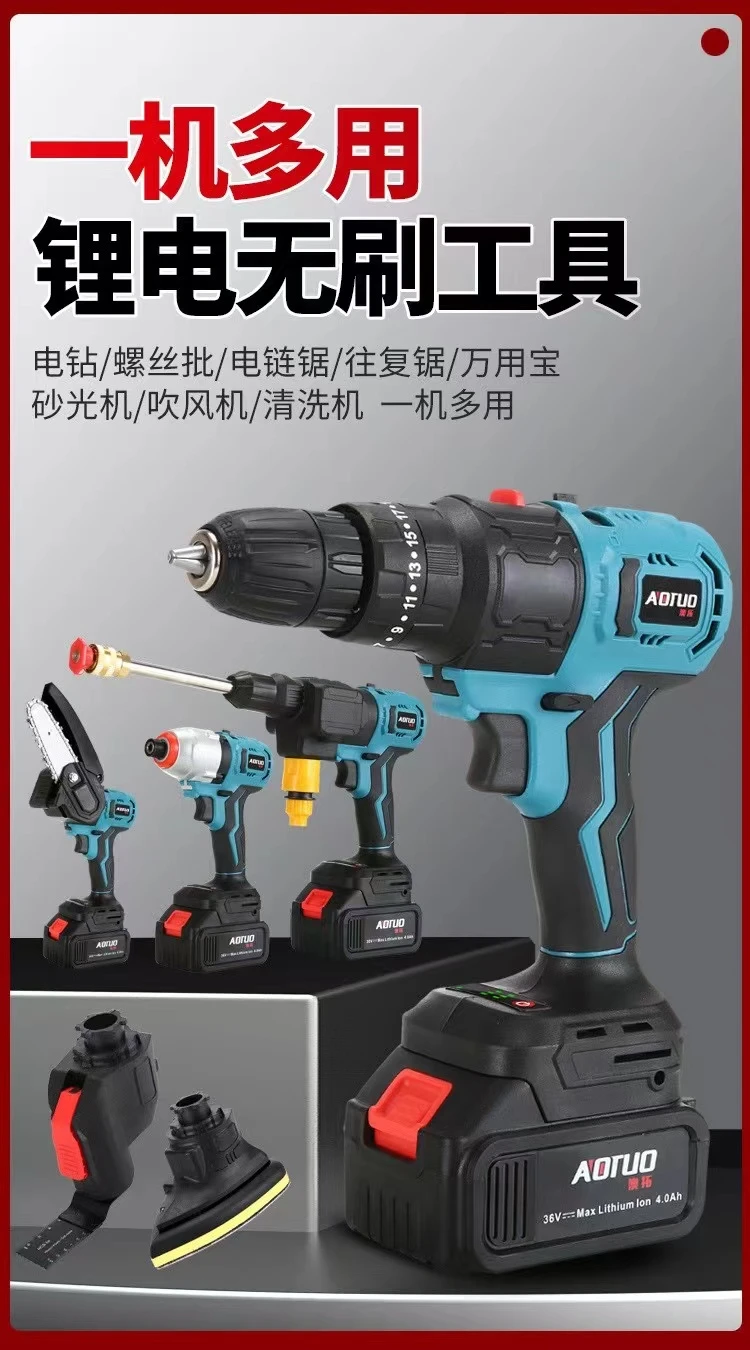
The production process of portable electric drills mainly includes the following steps:
Design phase: First, the designer will design the overall structure and function of the electric drill based on market demand and product positioning. This includes determining key parameters such as the power, rotation speed, and battery capacity of the electric drill, and drawing detailed design drawings.
Raw material procurement: According to the design drawings, purchase the required raw materials, including motors, batteries, gears, casings, etc..
Parts Production and Assembly
Motor: Select a suitable motor and perform necessary debugging and testing to ensure its stable performance.
Battery: Purchase high-quality batteries and perform charging and discharging tests to ensure battery endurance and safety.
Gears and transmissions: Produces and assembles gears and transmissions to ensure they can transmit power smoothly.
Shell: Make the casing according to the design drawings, and perform necessary surface treatment, such as spray painting or anodizing treatment.
Assembly: Assemble the motor, battery, gears, transmission and other components together to form the basic structure of the electric drill. During the assembly process, multiple debugging and tests are required to ensure that the components fit tightly and function properly.
Functional test: Conduct functional tests on the assembled electric drill, including speed test, torque test, battery life test, etc., to ensure that the performance of the electric drill meets the design requirements.
Quality Inspection: Conduct strict quality inspection on finished electric drills, including appearance inspection, performance testing, etc., to ensure that product quality meets standards.
Packaging and Shipping: After passing the quality inspection, the electric drill will be packaged and shipped according to the order requirements.