

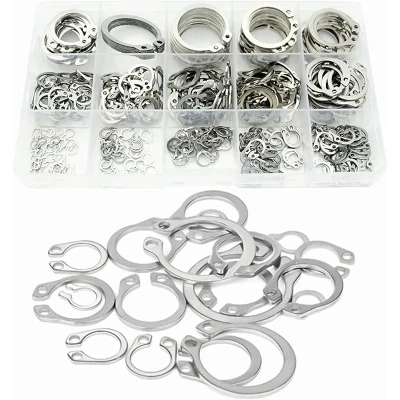
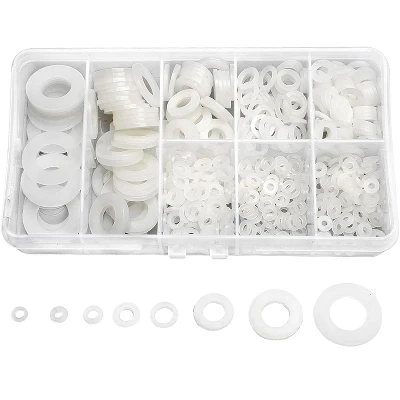
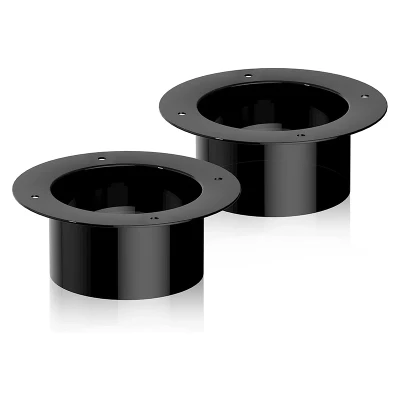
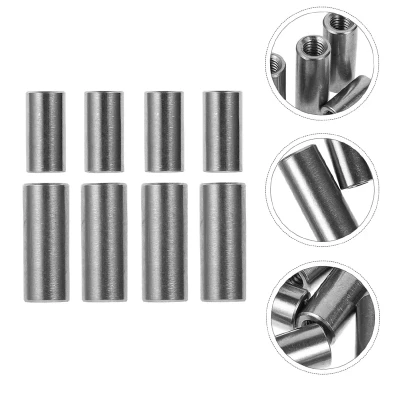
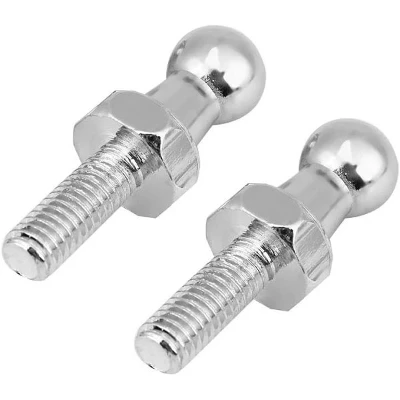
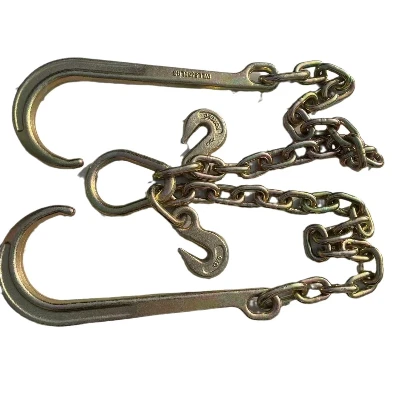
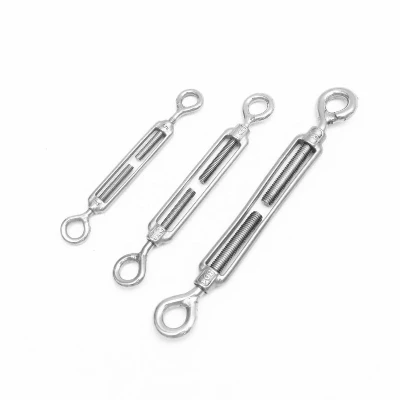
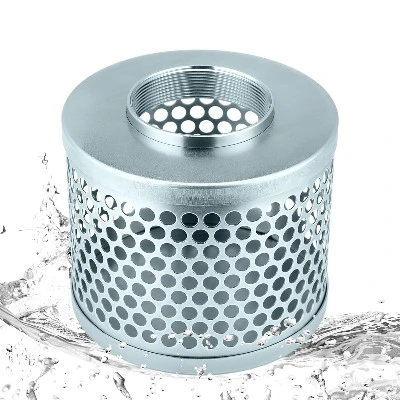

Screws
What Is Screws?
Screw is a type of fastener used to hold objects together or to adjust the position of things. These fasteners come in various sizes and shapes, with different thread patterns and head shapes to suit different applications. They can be driven in using a screwdriver or drill, or they can be tightened or loosened using a wrench.
Advantages of Screws
A Mechanical Edge
When you choose screws, you gain a mechanical advantage in the process. Driving a screw uses less energy than hammering a nail into the same material. So for those of you who use hand tools, projects will instantly become easier when working with screws. The same goes for using power tools, which require less force and put less stress on the tool motor.
Extra Strength & Long-Lasting Hold
Screws are very strong and are built to last. This is a stark contrast to nails, which may come loose over time. This happens when the materials they connect with begin to expand and shrink over time. Screws are built to resist this problem. Their hold is longer-lasting and stronger. And since screws are so strong, there is less of a worry about the durability and hold. So it gives the material more of a piece of mind when done.
Rust Resistant
Because screws have a strong and tight bond with their adjacent material, this makes them less susceptible to rust. The tight fit prevents moisture and contaminants from coming into contact with the screw shaft, maintaining its long-lasting hold. So even if the screw head starts to rust, the shaft will remain intact and stay put thanks to this preservation. This advantage makes screws a better long-term fixation option than nails.
Many Different Sizes & Shapes
There are many different sizes and shapes for screws and they come with varying thread patterns. So you can get one specifically designed for use on wood, drywall, sheet metal, concrete, or more. When you use the proper screw type, it improves the long-term use of a screw.
Screws also utilize different types of heads, which makes them suitable for use with different types of tools. And thus, easier to complete a job, since you have more tools at your disposal to use.
Easy to Remove
When it comes to removal, no fastener is easier than a screw. Of course, you can remove nails and staples. However, you may need special tools to remove them. Using screws, they can be pulled out of their sockets using the same tool that screwed them in. Therefore, you don' t need to look for different tools and you save time on your work.
Reuse Screws
Due to the strength and longevity of screws, you can reuse them more when compared to nails. They seldom bend during the removal, so they can be reused for another application. You can also reinsert them into the same hole without sacrificing strength.


Why Choose Us
High quality
We take pride in the craftsmanship of our products and ensure that each one meets our strict standards for quality.
Customized services
We understand that each customer has unique manufacturing needs. That's why we offer customization options to cater to your specific requirements.
Rich experienc
Dedicated to strict quality control and attentive customer service, our experienced staff is always available to discuss your requirements and ensure complete customer satisfaction.
One-stop solution
We can offer a range of services, from consultation and advice to product design and delivery. It is a convenience for the customers, as they can get all the help they need in one place.
Types of Screws
Wood Screws
Wood screws are sharp-pointed screws for nonstructural, wood-to-wood fastening. Wood screws have coarse threads and an unthreaded shank near the head, which allows the screw to pull the wood pieces tightly together.
Cement Board Screws
Cement board screws are fully threaded screws that secure backer board to wall studs or a subfloor for tile projects. They have a coating that resists corrosion from moisture and mortar. You can find cement board screws for wood, metal or both.
Drywall Screws
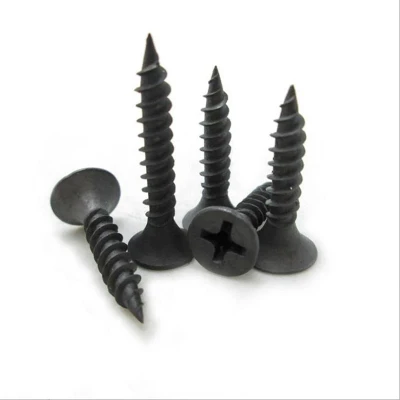
Drywall screws are fully threaded screws for interior projects, such as securing drywall to studs. Coarse-threaded screws are for hanging drywall on wood studs, while fine-threaded screws work with metal studs. Drywall screws don' t have the strength to support cement board and tile.
Deck Screws
Deck screws are designed for decks, fencing and other outdoor construction projects. Deck screws are either made of wood or a composite metal. Wood deck screws have a coarse-threaded portion and an unthreaded shank, like standard wood screws. Composite deck screws have finer threads and smaller heads. Some have a second set of threads to prevent the composite material from mounding at the screw head.
Lag Screws or Lag Bolts
Lag screws fasten heavy materials or components that handle large loads. Lag screws/bolts have hex heads, so they require a wrench or socket and ratchet to install. You may also see eye lag screws, which are simply wood screws with a ring at the head for securing rope or chain. They can' t carry the load a lag screw or bolt can.
Structural Wood Screws
Structural wood screws have a design, like wood screws, with coarse threads and an unthreaded shaft. However, they' re much stronger than basic wood screws. Depending on building codes, they can function like lag screws or bolts.

The wire is fed from the mechanical coil into the straightener. The straightened wire flows directly into the machine, which automatically cuts the wire to length and dies the screw head into the desired shape. After cold heading, the screws are automatically fed into the thread cutting machine. The screws are then cut using one of two different techniques. In a reciprocating die, two flat dies are used to cut the threads. One die is fixed, while the other moves in a repetitive manner, with the screw blank rolling in between. The final thread rolling method is the planetary rotary die process. It keeps the screw blank stationary while several die-cutting machines roll around the blank. Heat treating the screws improves their overall durability. Heat the screws to high heat (about 900C/1652F) and immerse them in water. This sudden change in temperature can harden the bolt or screw material.
Application of Screws
Automotive
The automotive industry is one of the largest users of screws and fasteners. Every car, truck, or motorcycle has thousands of screws and fasteners that hold different parts together. These fasteners are used to secure body panels, engine components, and other vital components. They must be strong, durable, resistant to vibration, heat, and corrosion. The most common types of screws and fasteners in the automotive industry include hex bolts, socket socket screws, screws, and washers.
Construction industry
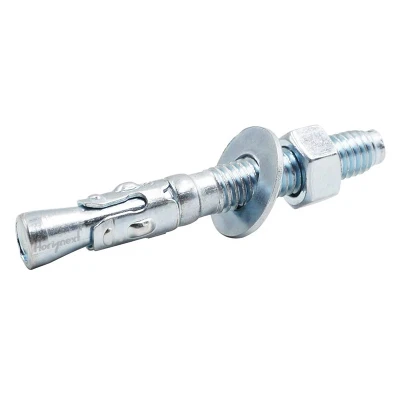
Screws and fasteners play a vital role in the construction industry. They are used to join different materials and components, such as steel, wood, concrete, and masonry. These fasteners must be able to withstand heavy loads, weather conditions, and structural stresses. The most common types of screws and fasteners in the construction industry include anchor bolts, square head bolts, expansion bolts, and self-tapping bolts.
Aerospace industry
The aerospace industry requires high-quality, high-strength screws and fasteners that can withstand extreme conditions such as high temperatures, pressure, and vibration. These fasteners must also be lightweight to minimize the overall weight of the aircraft. The most common types of screws and fasteners in the aerospace industry include titanium bolts, aerospace nuts, and rivets.
Electronics industry
The electronics industry is another important user of screws and fasteners. These fasteners are used to hold electronic components and circuit boards together. They must be small, precise, and easy to install. The most common types of screws and fasteners in the electronics industry include PCB screws, brackets, and spacers.
Medical industry
The medical industry requires specialized screws and fasteners that are biocompatible and non-corrosive. These fasteners are used in medical devices, implants, and surgical instruments. They must be made of materials that can withstand sterilization and corrosion resistance. The most common types of screws and fasteners in the medical industry include bone screws, spinal screws, and orthopedic screws.
Marine Industry
The marine industry needs screws and fasteners that can withstand salt water, moisture and corrosion. These fasteners are used to hold together different parts of ships and offshore structures. They must be made of high-quality stainless steel or other corrosion-resistant materials. The most common types of screws and fasteners in the marine industry include marine-grade bolts, nuts, and washers.
Components of Screws
The pointed end of a screw is known as the tip. Most screws have a sharp and pointed tip that's able to bore a hole into surfaces. The tip is usually narrower than the rest of the screw. This allows it to penetrate otherwise hard materials. Without a tip-or with a wide tip-a screw may struggle to penetrate hard materials. The tip often changes depending on what material the screw is intended to be used on.
Threading is the section of a screw that contains helical ridges. Screws rely on this threading to remove material from the surfaces into which they are driven. The threading essentially scoops out material as the screw is driven into a surface. When a screw is driven into a surface, it will displace some of the surface's material. The material will enter the helical ridges where it travels up and out of the surface.
Screws also have a shank. For wood screws, the shank is the unthreaded portion that's found above the threaded portion. Wood screws have an unthreaded shank to create a stronger and more secure hold. With only part of a wood screw being threaded, it offers a stronger hold than that of traditional screws with complete threading from top to bottom. Other types of screws have a fully threaded shank, meaning the threading extends all the way from the head to the tip. Wood screws are different because they almost always have an unthreaded shank.
Finally, the head is the top section of a screw. There are two types of screw heads: traditional and counter-sunk. Counter-sunk heads are intended to rest flush with the surface into which they are driven. In comparison, traditional screw heads protrude out of the surface into which they are driven. Both traditional and counter-sunk screw heads feature one or more notches, which are designed to support the use of a screwdriver. To drive a screw into a surface, you must press the screwdriver into these notches, after which you can turn the screwdriver.
When people ask ‘Flat head of Philips head?', they are actually referring to the type of drive not the head of the screw. The drive is a crucial component of the screw as it determines what type of screwdriver needs to be used to install the screw.
Steel
This is by far the most common material used to manufacture screws for one simple reason: steel is cheaper than certain other screw materials.
Copper
Copper screws are good for corrosion protection. If you want to contact different components, copper can ensure a long life of the screw.
Aluminium
Aluminum is not as durable as other materials, but it does have one advantage-weight. Aluminium is the lightest fastener you can find.
Titanium
When you need both strength and lightness, choose titanium. Titanium screws are expensive, but if you need a strong yet not heavy fastener, the extra cost can pay off handsomely.

Process of Screws
A screw is actually two simple inventions in one small package. It is an inclined plane, wrapped around a cylinder which gives you a mechanical advantage over what you are trying to bind by forcing them together via mechanical advantage. It is also a wedge in that the thread's edge is a cutting edge that forces itself into the substrate you are screwing into.A screw has four main parts: a head, a shank, the threads, and the point of the screw. The head fits the driver and holds the screw in place. It also provides a contra for the force of the screw on the outer surface of the substrate you are screwing into. The shank can be short or long, and connects the head of the screw to the threaded rod. It is the point and the threaded rod that do the real work of the screw. As you push the driver down, the point forces an opening into your substrate. Into this hole your thread will catch on the substrate and lever its way further along. Some threads are "self-tapping" which means that they will cut their own way down. Some screws like machine screws require that your hole be pre-tapped, or already have its matching thread cut into the hole which you are screwing into.
How to Choose the Screws Correctly
Type of material
When selecting a screw, it' s important to make sure it is compatible with the material that requires fastening. For instance, wood screws are made for use with wood, whereas concrete screws are ideal for masonry materials. Different screws are specifically designed for different materials, so make sure to choose the right one.
Thread type
The thread of a screw can influence both its installation and its ability to stay in place. Self-tapping screws, for instance, have a thread that is intended to make its own hole as it is screwed in, which can be helpful in thin materials or materials that are challenging to drill beforehand.
Length
The size of the screw you select should be based on the thickness of the material you are attaching and how far in you want the screw to go. It is essential to pick a screw that is robust enough to ensure a strong connection, but not so long that it goes through the opposite side of the material.
Head type
The type of screwdriver or drill bit you will need to install the screw depends on its head. Flathead screws are the most common and can be installed with a regular screwdriver. On the other hand, Phillips head screws require a Phillips head screwdriver or drill bit.
Drive type
The shape of the indentation on the head of a screw determines which type of screwdriver or drill bit can be used to secure it. The most commonly seen drives are Phillips, slotted, and square.
Finish
When selecting a screw, the finish should be taken into consideration to ensure its durability and aesthetics. For outdoor use or areas with high humidity, it is best to opt for a screw with a corrosion-resistant finish, like stainless steel, galvanization, or zinc plating.
10 Quick Tips and Tricks for Using Fasteners


Don't use 18-8 stainless steel in or near a salt water environment
Salt water is great at causing rust and reducing the life of fasteners. To remedy this, we recommend using stainless steel but the correct grade of stainless steel needs to be used. We recommend using only a 316 grade stainless steel within twenty miles of the salt water environment. Otherwise the risk of oxidization (rust), even in other grades of stainless steel, are greatly increased.
Always mate hot dip galvanized fasteners with other hot dip galvanized fasteners
Hot dip galvanized fasteners are coated in a thick zinc protective, called hot dip galvanization, to make them less susceptible to oxidization. This thick coating creates a layer on the threading that will not match other materials that do not have this coating. Fasteners that get hot dip galvanized and have different spacing in preparation for this change in thickness. As such, they should only be used together to avoid any compatibility issues. Pro tip: When installing fasteners it is recommended that you always try to use the same grade and material. Mixing can lead to uneven or poor results depending on the materials.
Always use fastener lubricant on stainless steel fasteners
Stainless steel fasteners have an invisible coating on them which makes them less likely to oxidize. The trade-off is that this coating can also cause friction between the fasteners (nut and bolt) during the installation. As this heating up occurs, the threads jam and can actually weld to each other. This is a process known as galling or cold welding. To mitigate such risks, simply apply a small amount of fastener lubricant, such as mro 2400 marine grade anti-seize, to the fasteners before installation. Not only will it deter galling but it can also help to extend the life of your fastener.
Always use the right size screwdriver
A phillips head is a phillips head, right? Wrong. Phillips head screwdrivers can also come in different sizes. These sizes may not seem to make a huge difference to you, but to the fastener the difference between a properly seated drive and one that is loose could mean a stripped head. Always make sure the driver sits fully seated into the drive recess, if there is play room between the drive and the recess, you need to find the appropriate sized drive or risk of stripping is greatly increased.
Never use stainless steel and aluminum together
Stainless steel and aluminum are metals that have very specific cases where they can be used together. If they are used together improperly, there will be a transfer of electrons between them which can compromise the integrity of the materials leading to what is called galvanic corrosion. The easiest way to avoid galvanic corrosion is simply to use materials that match.
Always pre-drill hardwood before installing screws
There are times with softer wood where you can get away with not pre-drilling holes (although we do not recommend it). You should always pre-drill hardwood. Hardwood is much more likely to crack or split when a screw is installed. This can ruin the finish of many products and weaken the integrity of others. Always, always, always pre-drill to ensure you do not ruin your work.
Stainless steel is a soft metal
This is a question we get constantly. Stainless steel is considered to be a soft metal. There are versions that can become hard metals by heating them up to change stainless steel's properties. This process is normally called heat treatment.
Do not mix fine and coarse thread fasteners
Both fine and coarse thread fasteners have different benefits and should be used accordingly. However, it often seems that people attempt to mix them whether its by not knowing they are different or not understanding the measurements. You cannot mix threading. It will ultimately ruin the threading and result in damaged and unusable threads or a jammed fastener assembly. We recommend utilizing our fasteners 101 section before purchasing to ensure our customers have a solid grasp on the concepts to help them purchase the fasteners they need.
Don't over-tighten fasteners
Fasteners have a max recommended torque for installations. To achieve this we recommend a torque wrench when installing fasteners. You can set the wrench torque so that it will slip after that force is reached. Over-tightening fasteners can actually damage the threads and compromise the integrity of the bolt.
You're not invincible, wear safety gear
We constantly and consistently see people work with fasteners without using the appropriate safety gear. This is our most important tip for you. No one is invincible. Many of the injuries can be avoided by simply wearing the appropriate gear. You will find the safety glasses much less annoying when it is preventing metal shavings from flying into your eyes. This gear exists to protect us from harm so we can build truly amazing things. Use it to keep yourself building.
Our Factroy
Shuifu Hanyang Machinery Technology Co., Ltd. is a company specializing in high-strength fasteners, hardware accessories, mechanical parts and other products, integrating production, sales, and research and development. It operates in the spirit of "operating with integrity and advocating standards" concept, give full play to regional and industrial advantages, serve customers around the world, and provide professional fastener connection solutions.

FAQ
We're professional screws manufacturers and suppliers in China, specialized in providing high quality custom service. We warmly welcome you to wholesale cheap screws from our factory.
Roofing Screws, M8 Nut, Impact Screwdriver Set