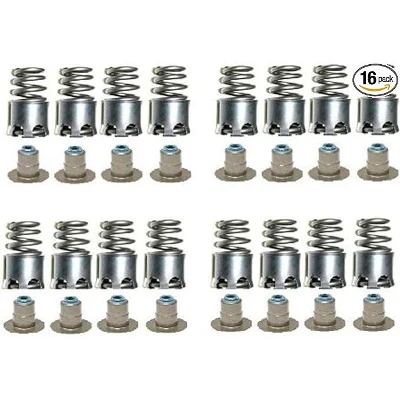

Specifications of small compression springs
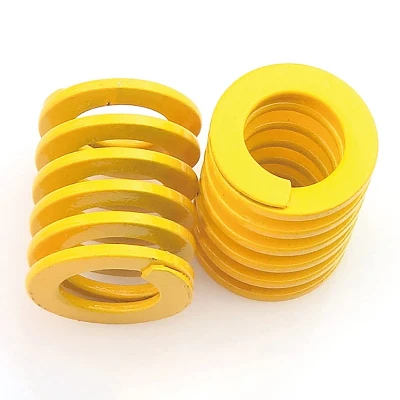
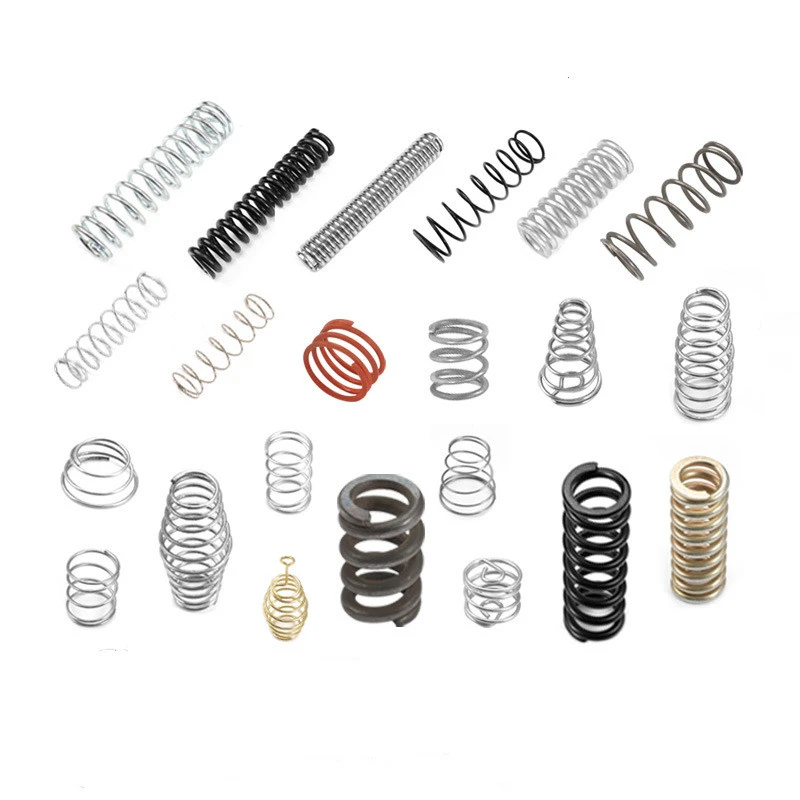
The specifications of small compression springs mainly include parameters such as wire diameter, outer diameter, free height and effective number of turns.
Common specification
.Wire diameter (d): Wire diameter refers to the diameter of the spring, usually in millimeters (mm). For example, the wire diameter is 0.2mm, 0.3mm, 0.4mm, etc.
.Outer diameter (D): The outer diameter refers to the diameter of the outer ring of the spring, usually in millimeters. For example, the outer diameter is 5mm, 10mm, etc. .
.Free height (H0): Free height refers to the natural height of the spring when it is not acted upon by external force, usually in millimeters. For example, the free height is 60mm, 100mm, etc.
.Effective number of turns (n): The number of effective turns refers to the number of turns that the spring actually participates in during the compression process, usually in turns. For example, the valid number of turns is 5 turns, 10 turns, etc.
All sizes are in stock. Fast delivery and shipped in bulk. Custom small compression springs can be produced overnight if needed.
Materials and finishes
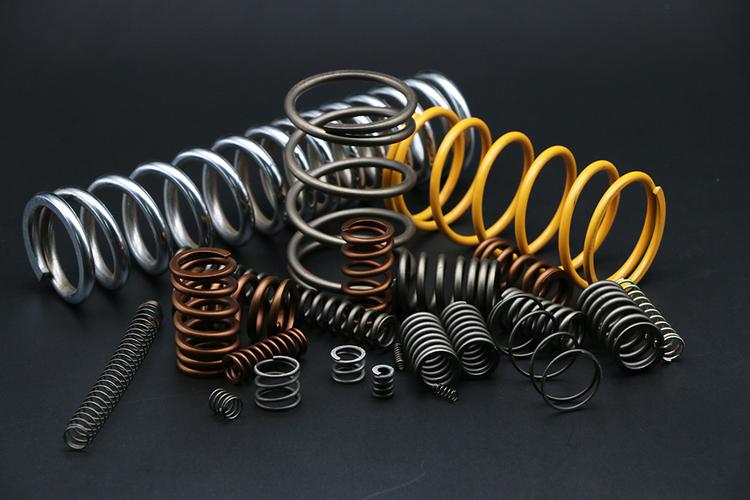
Commonly used materials for small compression springs include stainless steel and spring steel. The shear elastic modulus of stainless steel is 72,000 MPa, while that of carbon steel is 80,000 MPa3. Surface treatments may include blackening and blue paint.
Application scenarios
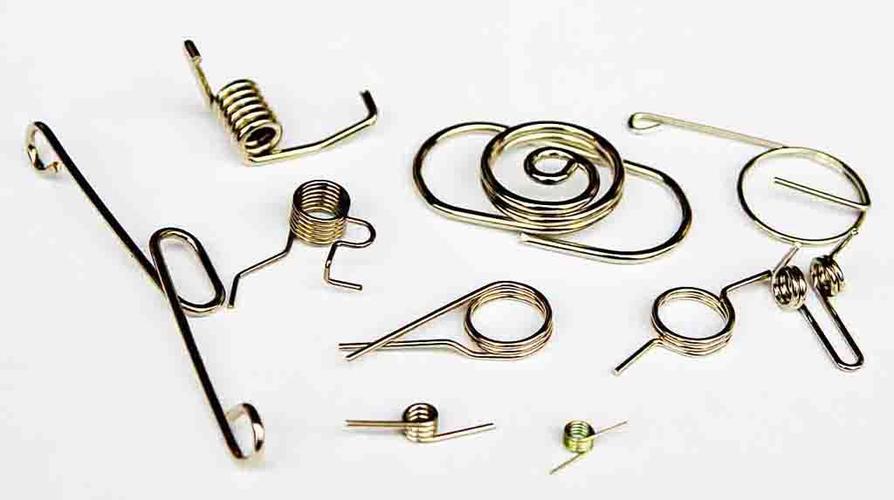
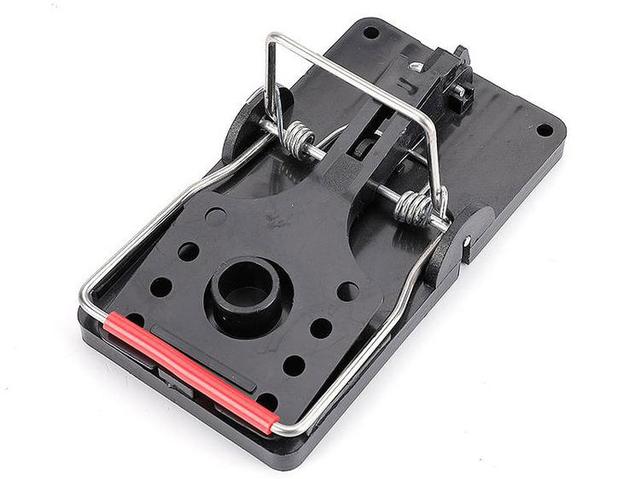
Small compression springs are widely used in various mechanical equipment, such as molds, instruments, automation equipment, etc., to provide necessary elasticity and return functions. They are also widely used in electronic equipment, auto parts, medical equipment and other fields.
Production process of small compression spring
1. Preparation of materials and tools
The materials required to produce small compression springs include spring steel wire and spring oil, and the tools include spring machines, winding machines, cutting machines, etc. The spring steel wire selected must be of good quality, moderate hardness, and consistent in size. Spring oil requires high purity and good lubricity.
2. Production process
1. Processing spring steel wire
Divide the spring steel wire into appropriate lengths and soak them in spring oil for subsequent operations.
2. Wrap spring
Fix the spring steel wire on the winding machine, select the appropriate spring mold and winding specifications, and perform the winding operation. In order to ensure the quality of the spring, the wound spring needs to be adjusted. This process requires the use of a spring machine.
3. Cut off the spring
Fix the wound spring on the cutting machine and cut it as required. This process requires adjusting the speed of the spring machine and the position of the cutting point according to the actual situation.
4. Heat treatment
The cut springs are heat treated to eliminate internal stress and improve elasticity.
5. Surface treatment
The spring undergoes surface treatment such as polishing and cleaning to ensure that the surface of the spring is smooth, free of oxides and impurities, and to increase the corrosion resistance of the spring.
3. Precautions
1. The quality of spring steel wire is the key to affecting the quality of spring. Therefore, it is necessary to select high-quality spring steel wire and carefully check the hardness and size of the wire.
2. The winding and cutting of the spring need to be carried out under the precise control of the spring machine to ensure the quality and accuracy of the spring.
3. Heat treatment requires different heat treatment methods according to different types of springs to ensure the elasticity and life of the spring.
4. The surface treatment of the spring can improve its corrosion resistance and extend the service life of the spring.
5. Pay attention to safety during the production process to avoid the risk of machine failure such as spring machines and winding machines.
4. Select and maintain small compression springs
When selecting a small compression spring, you need to consider the required size, elasticity, load and other requirements according to the actual situation. Maintaining small springs requires regular inspection of their surface condition and internal damage, and timely replacement of aging or damaged springs.
In short, the production of small compression springs requires attention to the preparation of materials and tools, as well as precautions during the production process. At the same time, it is also very important to select and maintain small compression springs.
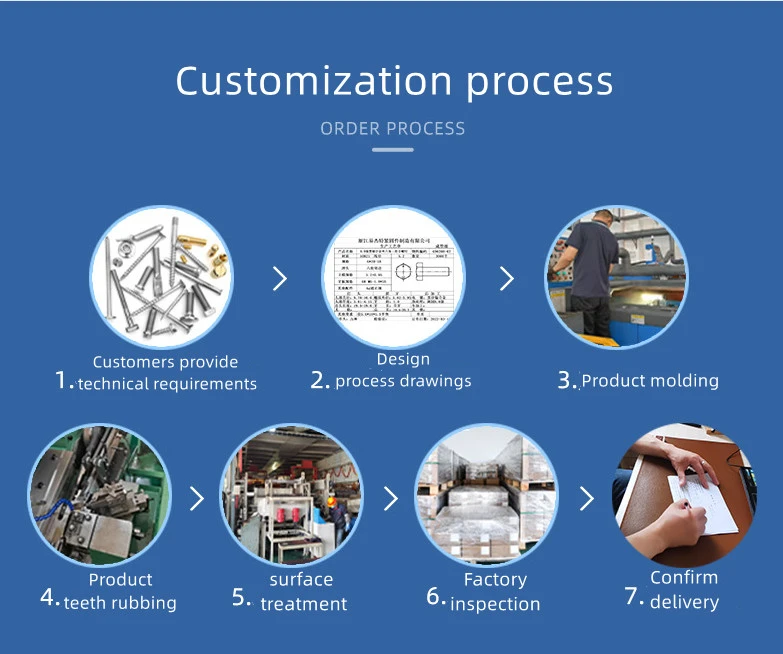
Customized small compression spring:
·Applications: Designed for specialized applications requiring unique specifications.
·Installation method: Customized installation according to specific application requirements.
·Benefits: Customized specifications to meet unique project needs, ensuring optimal performance.
Customization options:
Custom Sizes: We offer springs in standard and custom sizes to meet specific project requirements. Our advanced processing capabilities ensure a perfect fit for your application.
Material selection: Depending on the application and environmental conditions, we select compression springs made of spring steel wire, spring oil, and other specialized materials.
Surface Treatment: To enhance corrosion resistance and durability, we offer surface treatments such as polishing and cleaning.