

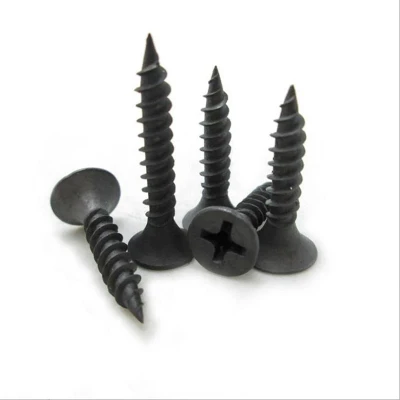
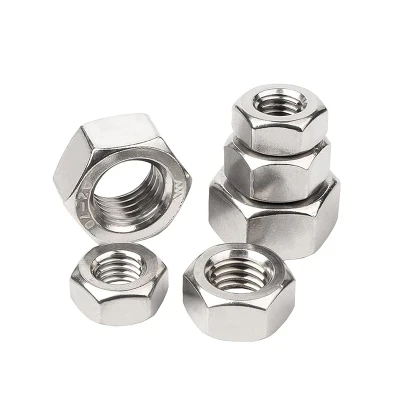
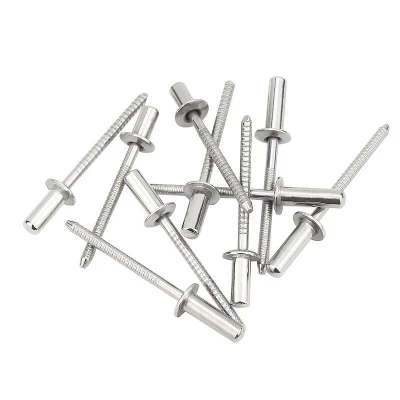
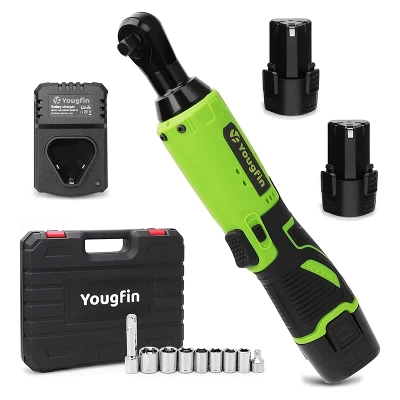
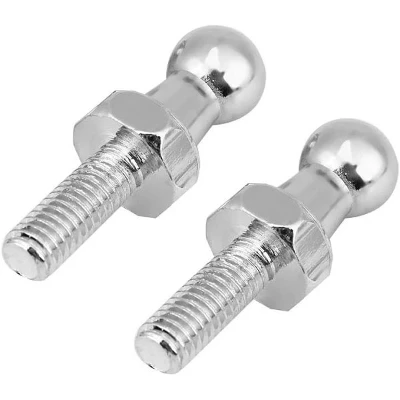
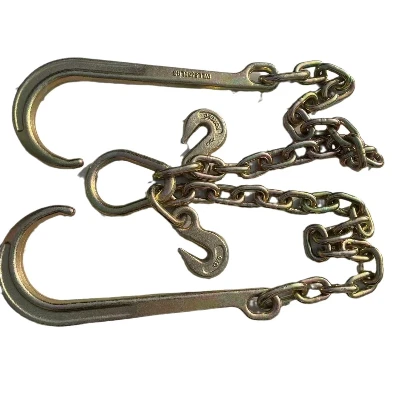
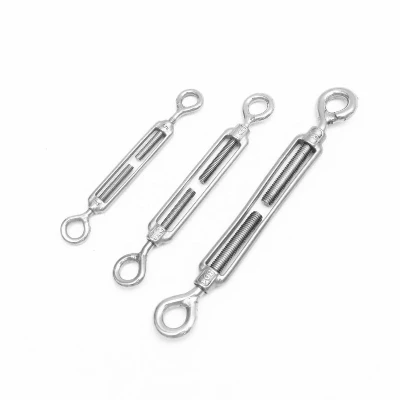
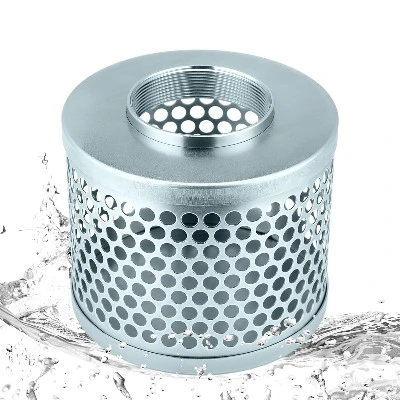

Stainless steel screw specifications
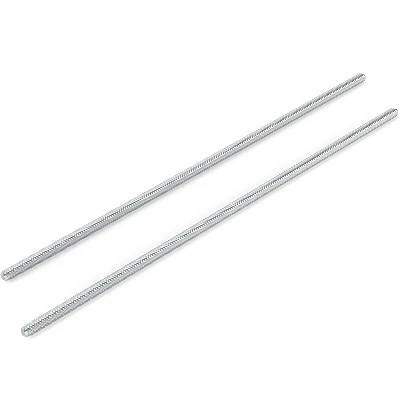
The specifications of stainless steel screws include diameter, pitch, length and material. Common diameters include M2, M2.5, M3, M4, etc., and the lengths range from a few millimeters to hundreds of millimeters. The main materials are 304 and 316. For example, the specifications of 304 stainless steel screws range from M23 to M10200, and the lengths range from 3mm to 200mm. In addition, there are national standard specifications for self-tapping screws such as ST2.2, ST2.9, etc.
Every size is in stock, and special sizes of stainless steel screws are available customization.
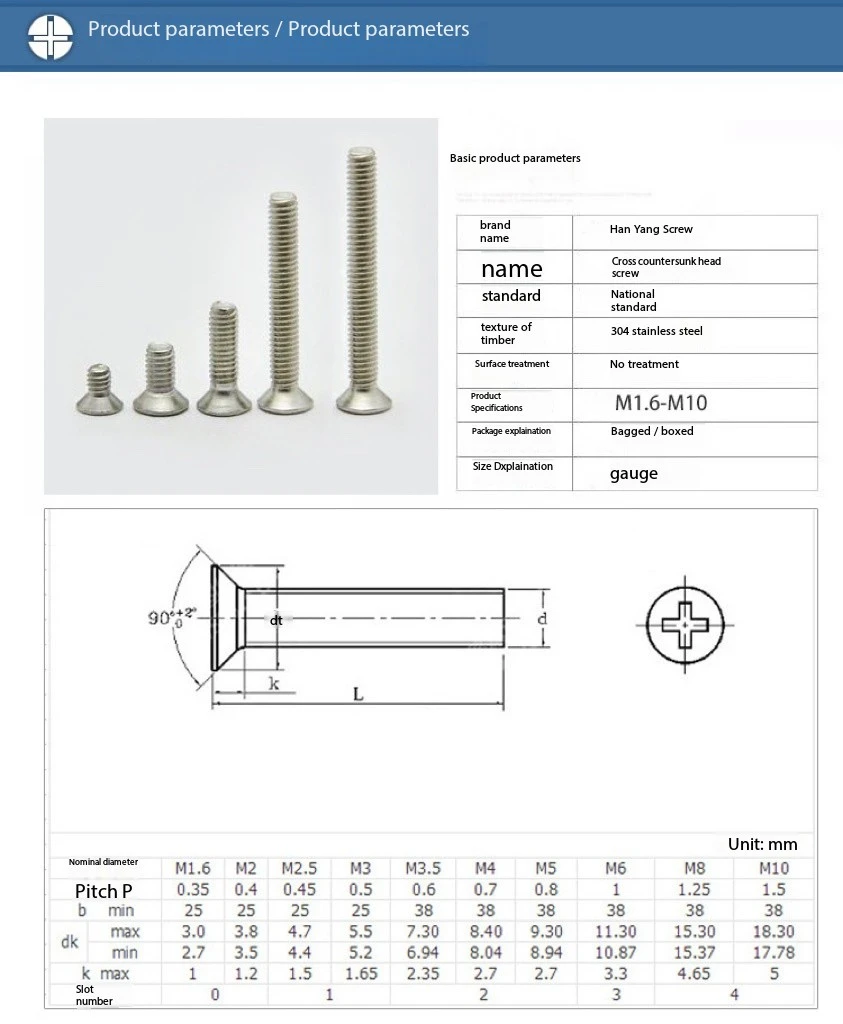
Key features of our stainless steel screws
Strong corrosion resistance: Stainless steel screws have excellent corrosion resistance and can maintain good performance even in harsh environments such as moisture, acidity, and alkalinity, and are not prone to rust or corrosion.
High strength and durability: Stainless steel screws have high strength and hardness and can withstand large loads and tensions, ensuring a firm and stable connection.
Good mechanical properties: Stainless steel screws have excellent mechanical properties, including high toughness, good fatigue resistance, and can withstand cyclic loads without breaking easily.
Good aesthetics: Stainless steel screws have a smooth and bright appearance and are suitable for products that require appearance.
5. Wide applicability: Stainless steel screws are suitable for connecting a variety of materials, including metal, plastic, wood, etc., to meet the needs of different application scenarios
6. High temperature resistance: Stainless steel screws have sufficient strength in high temperature environments and are not easily deformed, making them suitable for high temperature working environments.
Applications of stainless steel screws
1. Construction industry: Stainless steel screws are widely used in the construction industry to fix and connect various building structures, such as steel structures, glass curtain walls, aluminum alloy doors and windows, etc. They play an important role in the fixation of roofs, balcony railings, exterior curtain walls, etc.
2. Machinery manufacturing: In the field of machinery manufacturing, stainless steel screws are used to connect and fix various parts of mechanical equipment, such as engines, machine tools, aircraft, etc. Its corrosion resistance and high strength enable it to be used in harsh environments for extended periods of time.
3. Automotive industry: Stainless steel screws are used in the automotive industry to fix the engine, chassis and body. Due to their corrosion resistance and high strength, stainless steel screws ensure the stability and safety of automotive components in various environments.
1. Electronic industry: Stainless steel screws are used in electronic products to fix circuit boards and electronic components. Their corrosion resistance and stability help extend the service life of the product.
2. Furniture industry: Stainless steel screws are used for the assembly and fixation of furniture, such as bed frames, cabinets, tables and chairs, etc. Not only do they provide a strong connection, they also look great.
|
Stainless Steel Screw Type |
Material |
Typical applications |
How to use |
|
Stainless steel self-tapping screws |
Stainless steel |
Construction industry, furniture manufacturing, machinery manufacturing, automotive industry |
Self-tapping drilling |
|
Stainless steel drill tail screws |
Stainless steel |
Building decoration, machinery and equipment, petrochemical industry, power engineering |
Insert drill hole |
|
Stainless steel external hexagonal screws |
Stainless steel |
Construction and installation, chemical equipment, communication equipment, pumps, valves and pipelines |
Screw in the wrench |
|
Stainless steel hexagon socket screws |
Stainless steel |
Construction, communication equipment, furniture installation |
Insert into drill holes or screw in |
|
Custom stainless steel screws |
Stainless steel |
Professional application |
Tailored to application |
Detailed description
Stainless steel self-tapping screws:
lApplication: Used for fastening in the construction industry, furniture manufacturing, machinery manufacturing, and automobile industry.
lInstallation method: After pre-drilling, select appropriate tools to install self-tapping screws.
lAdvantages: Excellent corrosion resistance and high strength durability, self-tapping ability, beautiful appearance and wide application.l
Application: Safety fastening in construction decoration, mechanical equipment, petrochemical industry, and power engineering.
lInstallation method: Use an electric drill to drill the stainless steel drill tail screw into the hole.
lAdvantages: Drilling, tapping and locking can be completed in one go, with good toughness and strong corrosion resistance.
Stainless steel external hexagonal screws:
lApplication: Construction installation, chemical equipment, communication equipment, pumps, valves and pipelines.
lInstallation method: Use a wrench or other tools to screw into the hole.
lAdvantages: Strong corrosion resistance, high strength and wear resistance, anti-loosening properties, wide range of use.
Stainless steel hexagon socket screws:
lApplication: Construction, communication equipment, furniture installation.
lInstallation method: After drilling, insert the bolts and tighten with a torque tool.
lAdvantages: corrosion resistance, high temperature resistance, easy installation and disassembly, aesthetics.
Custom stainless steel screws:
lApplication: Designed for specialized applications requiring unique specifications.
lInstallation method: Customized installation according to specific application requirements.
lBenefits: Customized specifications to meet unique project needs, ensuring optimal performance.
Customization options:
Custom Sizes: We offer screws in standard and custom sizes to meet specific project requirements. Our advanced processing capabilities ensure a perfect fit for your application.
Material Selection: Depending on the application and environmental conditions, we offer bolts made of stainless steel, galvanized steel, carbon steel and other specialty materials.
Surface Treatments: For enhanced corrosion resistance and durability, we offer a variety of surface treatments including galvanized, galvanized and custom coatings.
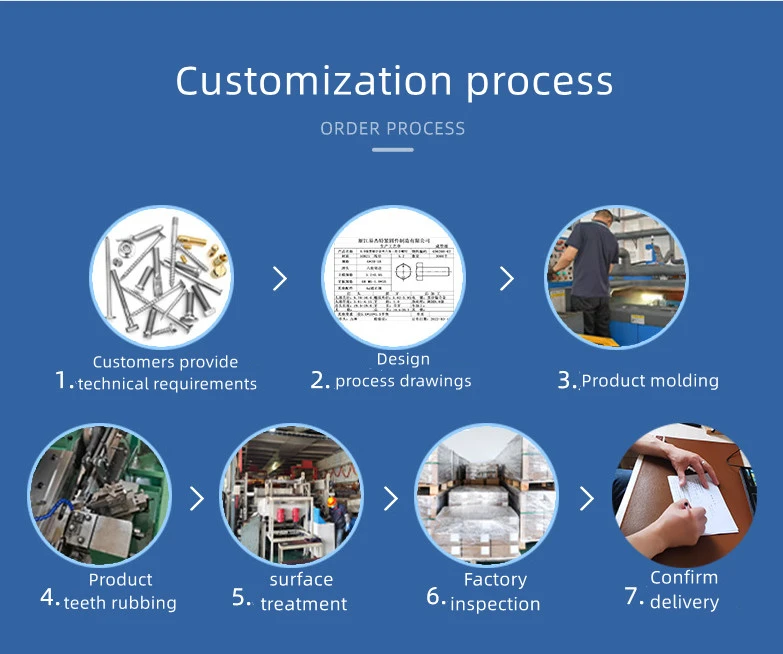
Production process of stainless steel screws
Material selection: Select appropriate materials based on required strength and environmental conditions.
2. Cutting: Cut the material into the desired shape and size.
3. Forging: Using high-pressure machinery to shape the bolts.
4. Threads: Create precise threads to ensure secure fastening.
5. Heat treatment: Enhance the strength and durability of bolts.
6. Surface treatment: Apply anti-corrosion coating.
7. Quality inspection: Ensure that each bolt meets strict quality standards.
8. Packaging: Pack completed bolts for shipment.
Global standards for stainless steel screws:
1. ISO standards: The International Organization for Standardization (ISO) has developed a series of standards for stainless steel fasteners, such as the ISO 3506 series. These standards cover the dimensions, materials, mechanical properties and other indicators of stainless steel bolts, screws, studs and other fasteners. For example, ISO 3506-1:2020 specifies performance levels for bolts, screws and studs in austenitic, martensitic, ferritic and duplex stainless steel grades and applies to ISO metric threaded fasteners of any shape.
2.DIN standards: The German National Organization for Standardization (DIN) has also formulated corresponding stainless steel fastener standards, such as DIN 931 and DIN 933. Mainly used in the European market, these standards specify the size, material and mechanical properties requirements for stainless steel bolts.
3. ASTM standards: The American Society for Testing and Materials (ASTM) has developed multiple standards for stainless steel fasteners, such as ASTM F593-22. Mainly used in the North American market, these standards regulate the quality, chemical composition and mechanical properties of stainless steel bolts, screws and studs.
4. GB standards: Chinese national standards (GB) also provide detailed regulations for stainless steel fasteners, such as GB/T 3098 series. These standards cover the mechanical properties of stainless steel bolts, screws and studs and are consistent with international standards.
5. Other international standards: In addition to the above-mentioned main standards, there are other international standards such as JIS (Japanese Industrial Standards), BS (British Standards), etc. These standards are also widely used in their respective countries and regions.
Common pairings of stainless steel screws:
1. Pairing of the same material: In order to prevent corrosion, stainless steel bolts are usually used with nuts and washers of the same material. For example, 304 stainless steel bolts can be used with 304 stainless steel nuts, or 316 stainless steel bolts can be used with 316 stainless steel nuts. This pairing method can effectively avoid the problem of electrochemical corrosion
2. Pairing of different materials: In some cases, stainless steel bolts can also be used with nuts of different materials, such as a combination of 304 stainless steel bolts and 316 stainless steel nuts. This pairing requires consideration of components with the least corrosion resistance and may increase the risk of thread seizure, so it is recommended to consult an experienced fastener material expert.
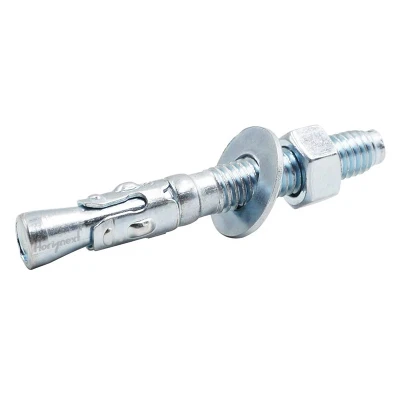
3. Pairing of components: Stainless steel bolts are often used in combination with corresponding washers and spring washers to improve the fastening effect and prevent loosening. For example, stainless steel combination screws that combine stainless steel cross recessed pan head screws with flat washers, external serrated locking washers, and spring washers.
4. Special application pairing: In high temperature and high pressure environments, stainless steel bolts may not be able to withstand the amount of shrinkage caused by temperature differences, so alloy steel bolts are usually required in this case. Additionally, where galvanized or other non-stainless steel parts are involved, it is recommended to use spacers to avoid galvanic corrosion.